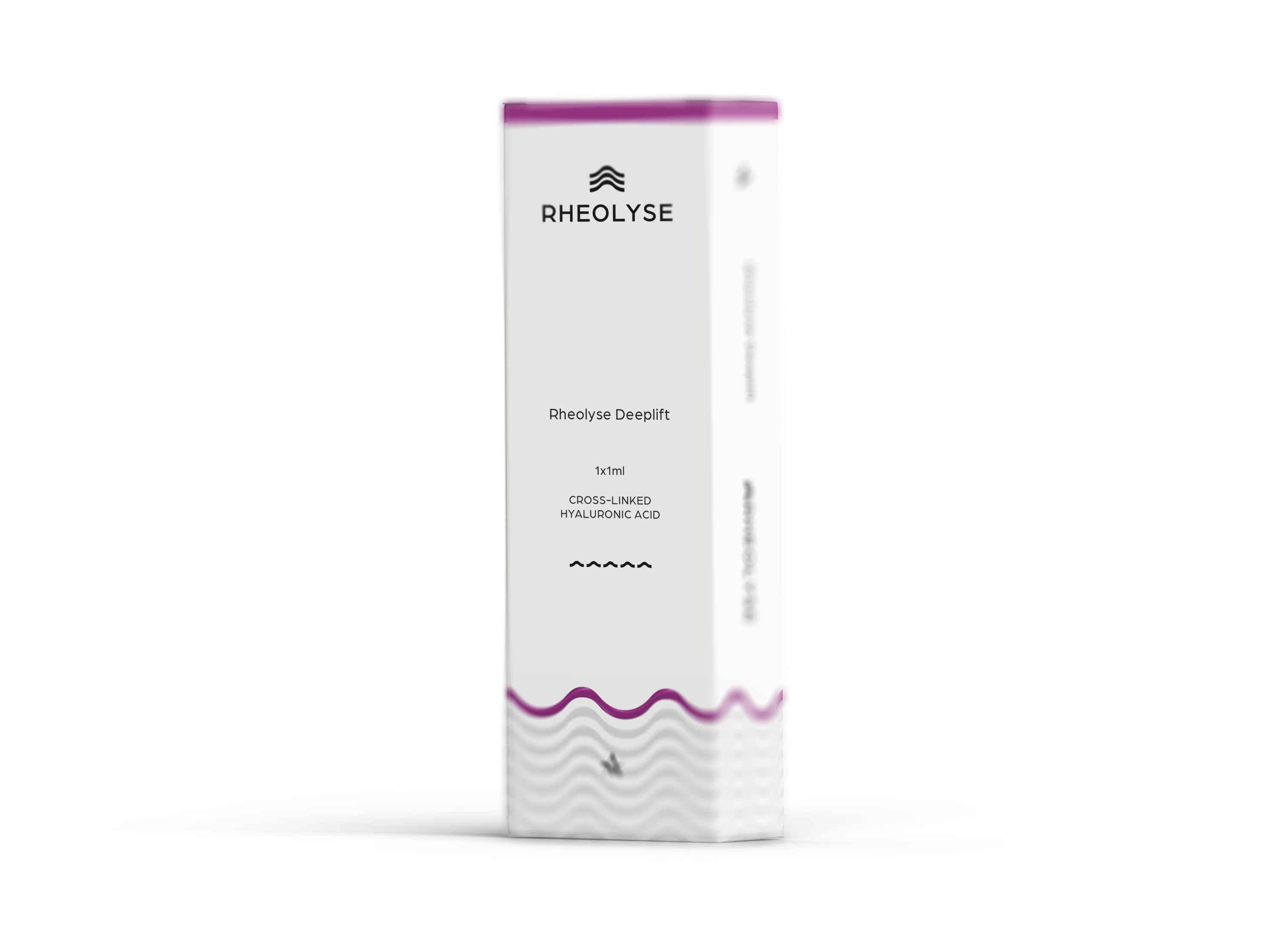
Invisible Linked
Deeplift
Indicated for the correction of facial skin laxity and the restoration of structural volumes.
G′ · Elastic
200Pa
G″ · Viscous
40Pa
tan δ
0.20
Indicated for the correction of facial skin laxity and the restoration of structural volumes.
Deeplift works in the planes that support the facial architecture: the zygomatic supraperiosteal plane, the nasal dorsum, the jawline. A highly structured gel that restores projection and stability where laxity has eroded support.
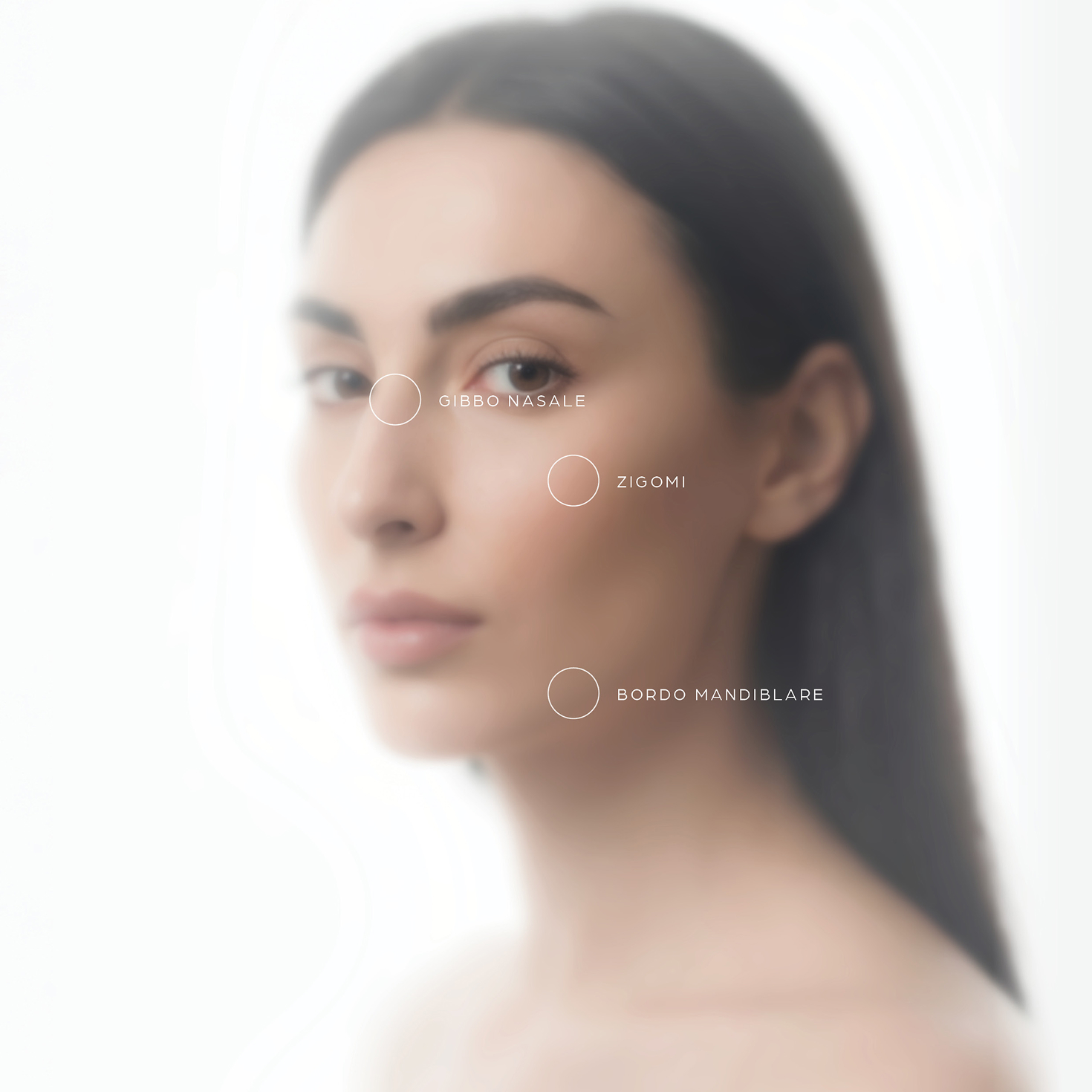
The most structured gel in the Rheolyse line: a G′ at the top of the scale to withstand tissue load, and a low tan δ for stability under pressure and physiological recoil in the supraperiosteal planes.
Rebuilds supraperiosteal cheekbone volume to restore the architecture of the midface, recovering lateral projection and height.
Redefines the jawline in patients with lower-face laxity, restoring sharpness to the lateral profile.
Corrects irregularities of the nasal dorsum with targeted supraperiosteal boluses, for a harmonious profile without surgery.
Restores chin volume in retruded profiles, rebalancing the relationship between the midface and the lower face.
Defines the gonial angle in patients with loss of support, restoring structure to the lower face in lateral view.
Treatment of significant volumetric laxity of the face: a non-surgical lifting approach based on restoring deep support.
Deeplift does not fill, it supports. It rebuilds the apparent bony architecture of the face, restoring projection and stability where age has eroded support.
A maximum G′ and a proportional G″ ensure a cohesive, localised bolus at bone contact. The gel stays in place and maintains the geometry of the projection.
Controlled BDDE cross-linking offers an estimated persistence of 9 to 11 months, depending on the treated area and individual physiology.
Non-animal hyaluronic acid, fully hyaluronidase-sensitive: the gel can be removed at any time.
Concentration, cross-linking, sterilisation filters: no parameter is left unexamined. Every choice answers to a required behaviour.
Punctate deposit at periosteal contact on zygomatic and mandibular landmarks. Dose of 0.1–0.3 ml per point, perpendicular to the bone.
Fanned distribution in the deep sub-SMAS planes to rebuild structural support, with a dose of 0.3–0.5 ml per area.
— Protocol guidance is intended for licensed healthcare professionals. Always consult the full instructions for use.
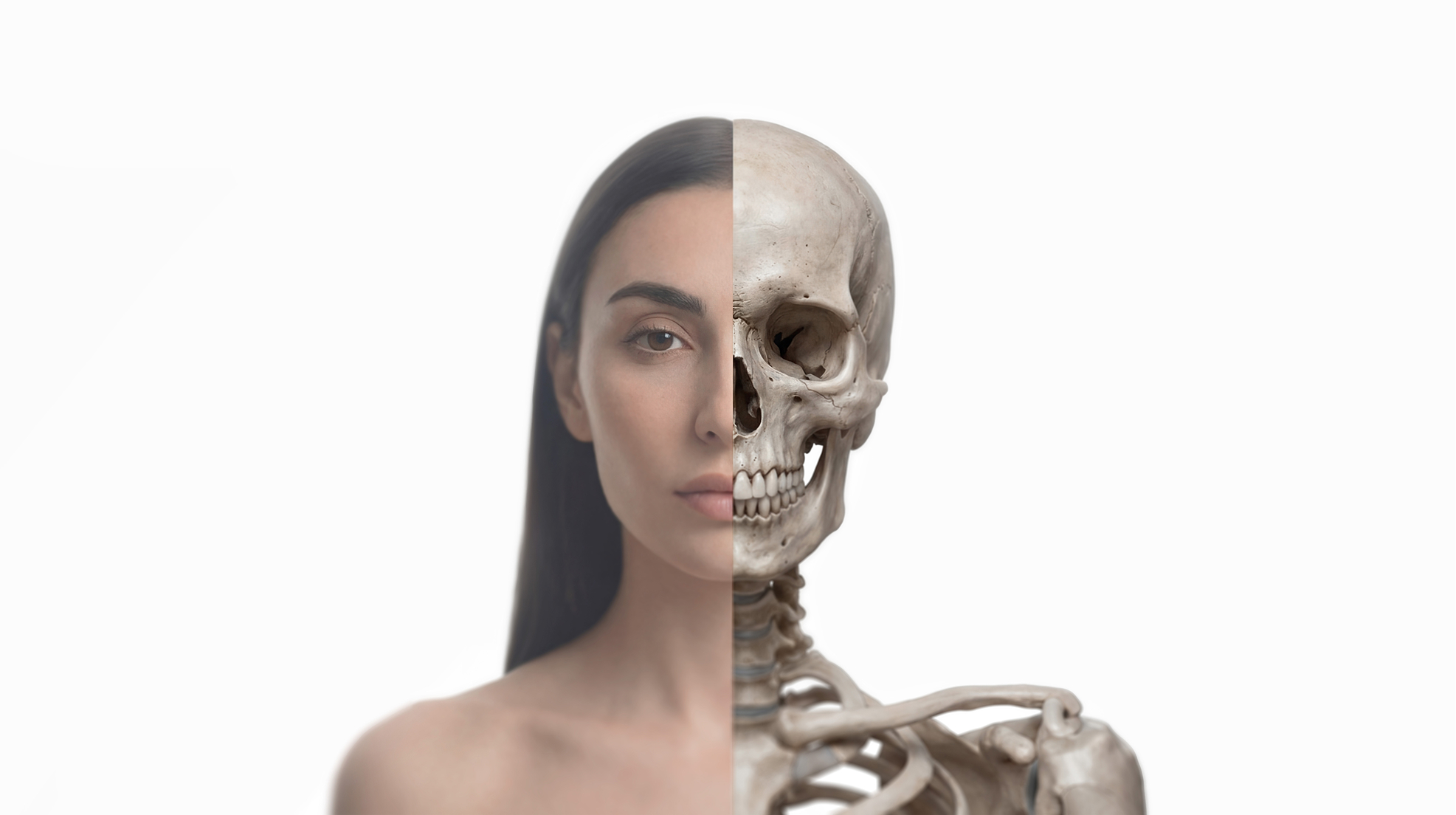
Deeplift integrates into the deep supporting planes — cheekbones, mandible, periosteum — restoring structural volumes. The recovery of visible morphology reflects the framework re-established in depth.

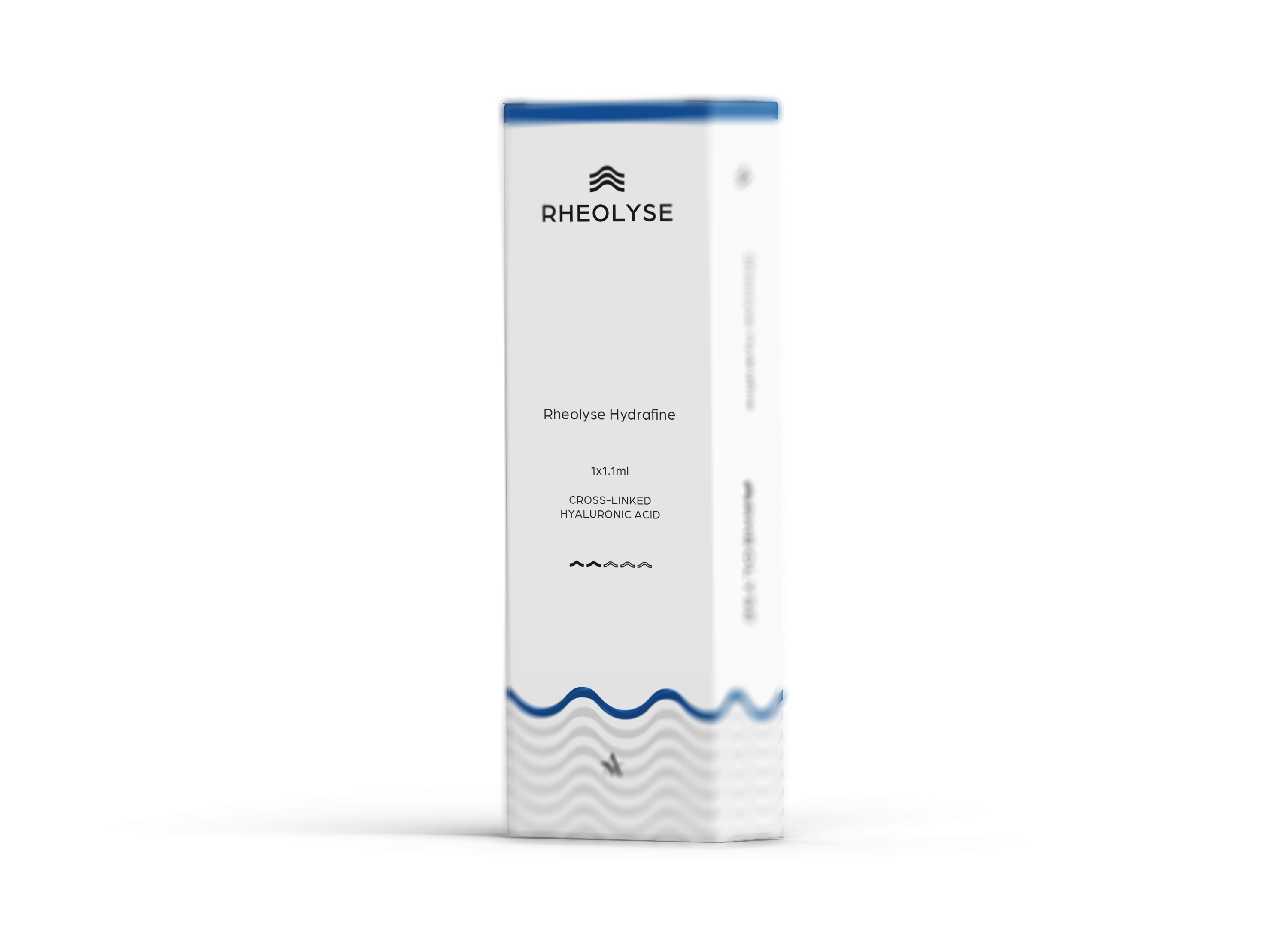
Deep dermal hydration and tissue quality. Periocular lines, barcode lines.
Controlled volume and harmonious eversion. Cupid's bow, vermilion, lip mucosa.
Modulated elastic support. Nasolabial folds, glabellar and forehead lines.